Philodendron
Philodendron is a large and diverse genus of tropical aroids prized for their foliage, adaptability, and long-term durability. While species vary widely in form and size, most share similar core care requirements and respond best to consistent, stable conditions. Many species can live for decades indoors when properly cared for.
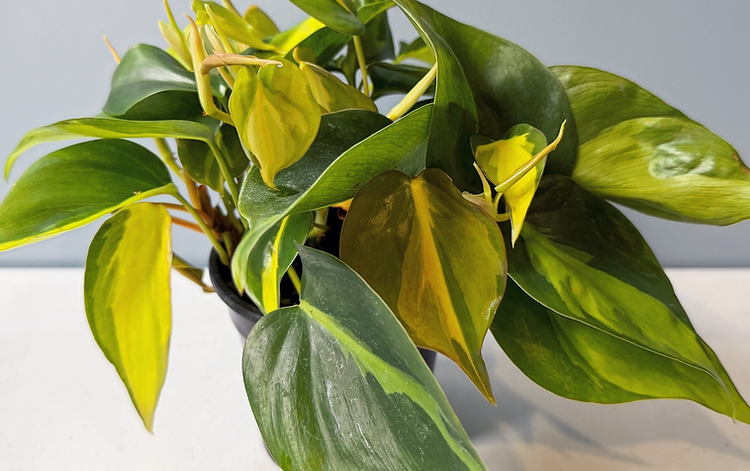
Common species & Cultivars
(Care applies broadly across most Philodendron species, with growth habits influencing support needs.)
Vining / Climbing Types
Philodendron hederaceum (Heartleaf)
Philodendron erubescens hybrids
Philodendron gloriosum (technically crawling, not climbing)
Self-Heading / Upright Types
Philodendron bipinnatifidum (Thaumatophyllum group)
Philodendron selloum
Philodendron ‘Birkin’
Care at a glance
LIGHT
Bright, indirect light preferred.
WATER
Allow the top 1-2 inches of soil to dry between waterings.
SOIL
Well-draining, airy aroid mix.
TEMP
65-85°F
GROWTH
Climbing, trailing, crawling, or self-heading
DIFFICULTY
Easy to moderate (varies by species)
Light
Philodendron grows best in bright, indirect light, where leaf size, color, and overall vigor are strongest. Many species tolerate moderate light, but prolonged low light leads to smaller leaves, elongated growth, and reduced coloration.
Avoid prolonged direct sun, which can scorch leaves; especially thinner-leaved species.
Light should be understood as food for plants. Intensity matters more than distance alone. Bright, indirect light generally means being close to a window without exposure to strong direct sun during peak hours. A light meter is highly recommended to accurately assess conditions.
For Philodendron species, these are the light ranges to target:
Ideal (best growth & leaf size): 150-300 foot-candles
Acceptable (survival to moderate growth): 75-150 foot-candles
Upper limit (indirect or diffused only): 300-500 foot-candles
Aim to maintain these light levels for as many hours as possible daily. If using a grow light, have the light timed for 12 hours.
Important note:
Thin-leaved species generally tolerate slightly lower light
Velvet-leaved species prefer the higher end of the ideal range
Variegated cultivars require brighter light to maintain patterning
Water
Water thoroughly when the top portion of the soil has dried. Philodendrons prefer evenly moist soil but are sensitive to prolonged saturation. Overwatering is more harmful than brief periods of dryness. Consistent watering habits matter more than strict schedules.
Use a wooden stick, chopstick, or your finger and push it into the soil 1-2 inches. If there is soil sticking, then it is moist and does not need watered; if there is no soil sticking, it is dry and needs watering. Another option is to get a moisture meter and push it down into the soil to see if the soil is wet, moist, or dry. Keep in mind that these are not always super accurate and should not be left in the soil.
Signs of watering issues:
Yellowing leaves: often means excess moisture or poor drainage
Limp or drooping leaves: soil too dry for extended periods
Brown crunchy leaf tips: Too dry or humidity is too low
Soft, mushy stems or leaf bases: often means excess moisture
Soil
Use a well-draining, airy aroid mix that promotes airflow around the roots. A quality base mix amended with orchid bark, perlite, or pumice works well.
Roots require oxygen and will decline quickly in compacted or waterlogged soil.
Repot only when roots are visibly crowded; these plants tolerate being slightly rootbound.
Remember, when uppotting to a larger pot, only increase your pot size by about 2 inches. Going much larger than the pot you had can cause excess moisture to be held in the soil and can cause root rot.
Growth & Habit
Growth habit varies widely by species
Vining and climbing types benefit greatly from vertical support
Moss poles, planks, or trellises encourage larger leaves and mature form
Self-heading types grow upright and do not require support
Crawling types (such as Philodendron gloriosum) will do much better crawling than climbing up a support
Pruning can be used to control size or encourage branching
Older plants often grow more slowly but remain healthy with stable care.
common issues
Yellow leaves: most often caused by excess water or poor drainage
Small or stretched leaves: typically a result of low light
Leaf damage or curling: low humidity or inconsistent watering
Pests: spider mites, thrips, or mealybugs, often associated with plant stress
Long-Term Care Notes
Philodendron thrives on consistency rather than frequent adjustment. Stable light, regular watering habits, and infrequent repotting lead to the healthiest long-term growth.
These plants are resilient, adaptable, and reward patience. Given time and proper support, many species develop dramatic foliage and mature characteristics.